
Richmond ENT Helps Advance a Promising New Treatment for Chronic Sinusitis
Dr. Michael Armstrong served as a principal investigator in the successful Phase 3 ENLIGHTEN 2 clinical study.
Richmond ENT is proud to have participated in ENLIGHTEN 2 , an international Phase 3 clinical study evaluating a new, minimally invasive approach to treating chronic rhinosinusitis. Michael Armstrong, M.D., served as a principal investigator, helping bring advanced clinical research—and the possibility of better future treatments—to patients in Central Virginia.
The study met its primary endpoint and two important secondary endpoints, demonstrating statistically significant improvements in sinus symptoms and sinus-related quality of life.
ENLIGHTEN 2 at a glance
182 adults enrolled
68 study sites in the United States and Europe
24 weeks of symptom and safety monitoringPrimary endpoint achieved
What is chronic rhinosinusitis?
Chronic rhinosinusitis, often called chronic sinusitis, is persistent inflammation inside the nose and sinuses lasting at least 12 weeks. It can cause:
- Nasal blockage and congestion
- Mucus draining from the nose or down the throat
- Facial pressure or pain
- Reduced sense of smell
- Fatigue and impaired quality of life
Many patients continue to experience symptoms despite nasal sprays, saline irrigation, antibiotics when appropriate, and other standard treatments.
What treatment was studied?
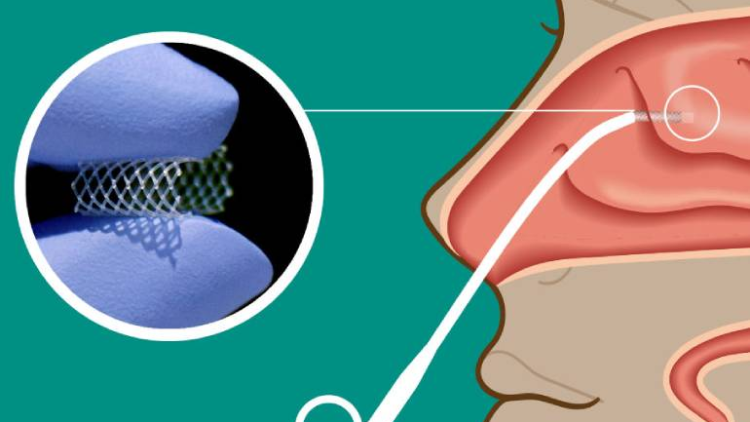
ENLIGHTEN 2 evaluated LYR-210, an investigational flexible drug matrix placed into each side of the nose during a minimally invasive office procedure. The matrix was designed to deliver the anti-inflammatory medication mometasone furoate directly to the inflamed sinonasal tissues over an extended period. Mometasone furoate is the active ingredient of the nasal steroid brand Nasonex, which is commonly prescribed to manage sinusitis and allergies.
Participants were randomly assigned to receive either LYR-210 or a sham procedure. Everyone continued daily saline irrigation, and participants did not know which treatment they had received. This carefully controlled design allowed researchers to determine whether improvement was attributable to the investigational treatment rather than simply to participation in the study.
What did ENLIGHTEN 2 find?
Among participants without nasal polyps, LYR-210 produced significantly greater improvement than the sham procedure in the three principal symptoms of chronic sinusitis:
- Nasal congestion or obstruction
- Nasal discharge or postnasal drainage
- Facial pain or pressure
At Week 24, the combined symptom score had decreased by 37.5% from baseline in the LYR-210 group, compared with 28% in the sham group.
The study also found statistically significant improvement in the overall study population and in SNOT-22, a widely used questionnaire measuring the effects of sinus disease on symptoms, sleep, daily activity and quality of life.
Most adverse events were mild or moderate. The most common events considered related to LYR-210 were nosebleeds or blood-tinged mucus, reported in approximately 8% of participants, and acute sinusitis, reported in approximately 5%. No serious adverse events were attributed to the study product or insertion procedure.
Why does this research matter?
Traditional nasal sprays may not consistently reach the deeper areas where chronic sinus inflammation develops. ENLIGHTEN 2 explored whether medication delivered directly to those tissues could provide sustained relief without traditional sinus surgery or the need to remember a spray every day.
The positive results support continued investigation of long-acting, locally delivered therapies for nasal and sinus disease.
“Patients with chronic sinusitis can become trapped in a cycle of sprays, short-term medications and recurring symptoms. ENLIGHTEN 2 demonstrates the potential of delivering treatment directly to the affected tissues through a minimally invasive office procedure. I am grateful to the Richmond-area patients who volunteered for this important research and helped advance the future of sinus care.”
— Michael Armstrong, M.D.
An important note about availability
LYR-210 remains an investigational treatment and is not FDA-approved or available for routine patient care. Although ENLIGHTEN 2 produced positive results, additional clinical research would be required before an application for approval could be completed.
In January 2026, Lyra Therapeutics announced that it had suspended its own further development of LYR-210 while exploring strategic alternatives that might allow the program to continue. The ENLIGHTEN 2 results remain an important scientific contribution, but patients should not interpret this announcement to mean that the product can presently be prescribed or scheduled.
Bringing tomorrow’s treatments to Richmond
Richmond ENT has a long history of participating in clinical trials and introducing carefully selected advances in nasal and sinus care. Our research involvement gives Central Virginia patients opportunities to contribute to medical progress while helping our physicians evaluate emerging treatments firsthand.
Our goal is to provide the least invasive effective treatment for each patient. Depending on the diagnosis, that may include medical therapy, allergy treatment, an office-based procedure or surgery.
Are chronic sinus symptoms interfering with your life?
Persistent congestion, drainage, facial pressure or loss of smell deserves a complete evaluation. Richmond ENT can examine the nose and sinuses, review previous treatment and help determine the most appropriate next step.
Clinical-study results apply to the participants and treatment conditions studied and do not guarantee an individual result. This article is educational and is not a substitute for individualized medical advice.